Why Millions of Americans Are Finding Comfort in Virtual Strangers From Japan
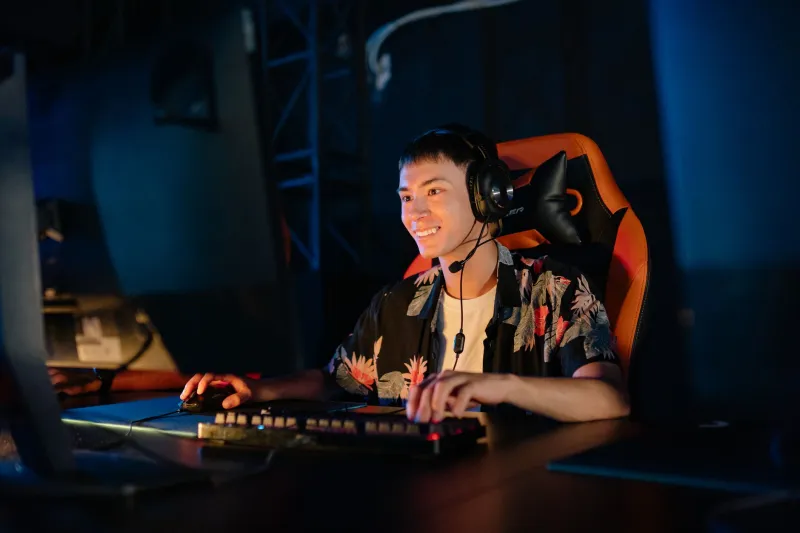
It's 2 a.m. on a Tuesday. You're not asleep. Instead, you're watching an animated fox girl with a melodic Japanese accent react to horror games while thousands of people type inside jokes into a chat box moving faster than you can read. And somehow — weirdly, genuinely — you feel less alone.
This is the VTuber experience, and for a growing slice of American Gen Z and millennials, it's become something way more meaningful than background entertainment.
What Even Is a VTuber?
For the uninitiated: VTubers, or virtual YouTubers, are content creators who perform behind animated 2D or 3D avatars tracked in real time using motion-capture technology. The format exploded in Japan around 2016 with the debut of Kizuna AI, and by the early 2020s, agencies like Hololive and Nijisanji had turned the concept into a full-blown global industry.
The talent behind these avatars are real people — with real voices, real personalities, and real emotional range. The avatar is essentially a costume, not a mask. And that distinction matters more than it sounds.
The Loneliness Problem Nobody Wants to Talk About
America has a loneliness crisis. The U.S. Surgeon General literally issued an advisory about it in 2023, describing epidemic levels of social isolation across the country. Gen Z, despite being the most digitally connected generation in history, consistently reports some of the highest loneliness scores. Ironic? Maybe. Surprising? Not really, if you've spent any time on social media lately.
Traditional platforms like Instagram and TikTok are optimized for performance — curated highlight reels, follower counts, the anxiety of posting into a void. Even when engagement comes, it rarely feels like connection. You're consuming content from people who mostly don't know you exist.
VTubers flip that dynamic in a subtle but significant way.
The Chat Is the Community
When you watch a VTuber stream live, you're not a passive viewer. You're a participant. Streamers read chat, respond to usernames directly, remember recurring viewers, and build inside jokes that evolve over weeks and months. The community isn't just around the streamer — it's woven into every broadcast.
For a lot of American fans, this is the first time they've felt genuinely seen by an entertainment experience. Regular commenter? The streamer knows your name. Drop a funny joke? It might get read aloud to 40,000 people. Show up every week? You're part of the lore.
That consistency is a big part of why this works. Many top VTubers maintain grueling streaming schedules — sometimes five to seven days a week — which means viewers develop something closer to a daily ritual than a casual hobby. It starts to feel like checking in with a friend.
Why the Japanese Cultural Layer Matters
Here's where it gets interesting from a cultural standpoint. Japanese VTubers — even those who stream primarily in English, like many Hololive EN members — carry subtle cultural values that seem to resonate deeply with burned-out American audiences.
There's a warmth and consideration baked into the way many of these creators interact with their communities. Gratitude is expressed frequently and sincerely. Boundaries are communicated clearly but gently. There's an emphasis on oshi culture — the idea of wholeheartedly supporting someone you admire — that reframes fandom as something generous rather than transactional.
For viewers used to the often combative, clout-chasing energy of mainstream American internet culture, stepping into a VTuber community can feel like exhaling for the first time in years. The vibe is different. Less performative. More... kind?
Japanese concepts like amae — a kind of comfortable emotional dependence on someone you trust — and the cultural value placed on group harmony tend to shape how these communities self-regulate. Toxic behavior gets pushed out faster. Positivity is actively reinforced. It's not perfect, but it's notably different.
Parasocial, But Make It Healthy-ish
Let's be real: parasocial relationships get a bad rap, and not entirely without reason. The concern is valid — one-sided emotional investment in someone who doesn't truly know you can become unhealthy if it replaces real-world connection entirely.
But researchers and mental health advocates are increasingly acknowledging that parasocial bonds exist on a spectrum. At their best, they can provide a sense of belonging, reduce anxiety, and even model healthy emotional expression for people who struggle to access those things in their daily lives.
VTuber fans seem to understand this intuitively. Many openly describe their favorite streamer as a source of comfort during difficult periods — depression, grief, social anxiety — while also maintaining friendships within the fan community itself. The streamer is often the entry point to real human connection, not a replacement for it.
Discord servers built around VTuber fandoms have become genuine social spaces where people make actual friends, share their lives, and support each other. The virtual idol at the center is almost like a shared interest that brings people together — not unlike how sports teams or music fandoms function, just with anime aesthetics and a lot more superchat donations.
The Hololive Effect
Hololive, the agency that arguably cracked the Western market wide open, deserves specific credit here. Their English-language branch launched in 2020 — right at the height of pandemic isolation — and the timing was almost poetic. People stuck at home, desperate for connection, suddenly had access to daily streams from charismatic virtual personalities who seemed genuinely happy to hang out.
Members like Gawr Gura, Watson Amelia, and later Advent-branch talents built fanbases that rivaled traditional gaming and entertainment creators in size and loyalty. And the audience wasn't just anime fans. It was gamers, musicians, people who'd never watched a single episode of anything Japanese in their lives. The gateway wasn't cultural — it was emotional.
What This Says About Us
The VTuber phenomenon is a mirror. It reflects something real about what people are craving right now: consistency, warmth, a sense of belonging, and entertainment that acknowledges you're there.
Japanese pop culture has always had a knack for packaging emotional depth inside accessible, visually appealing formats. VTubers are just the latest — and maybe most intimate — expression of that tradition.
For millions of Americans sitting alone at 2 a.m., that animated fox girl isn't just content. She's company. And right now, that's not nothing. That's actually kind of everything.