From Harajuku to #OOTD: How Japan's 'Cute Girl Era' Took Over Gen Z's Closet
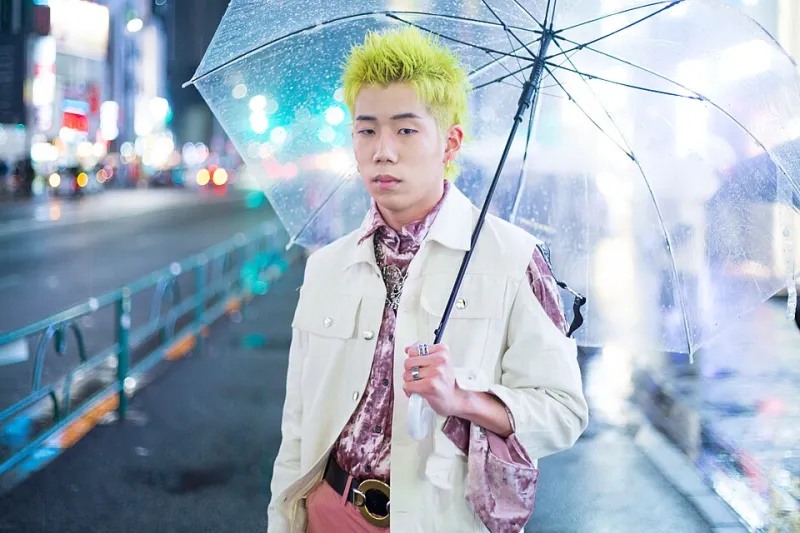
Photo: Dick Thomas Johnson from Tokyo, Japan, CC BY 2.0, via Wikimedia Commons
Walk through any major American city on a weekend and you might do a double-take. Platform Mary Janes. Oversized plaid blazers. Strawberry hair clips stacked three-deep. Bags covered in Sanrio characters. It looks like a Harajuku side street teleported to Brooklyn, and honestly? That's kind of exactly what happened.
Japanese street fashion has had its Western fan moments before — think the early 2000s Lolita boom or the brief Visual Kei fascination — but what's happening right now feels fundamentally different. This isn't niche. This isn't cosplay-adjacent. This is mainstream Gen Z fashion, and it's got Japanese DNA running all the way through it.
What Exactly Is the 'Cute Girl Era'?
The phrase itself bubbled up organically on TikTok sometime around 2022, used loosely to describe an aesthetic that blends several Japanese street fashion traditions into something new and distinctly internet-born. At its core, you're looking at kawaii (the Japanese concept of cuteness as a lifestyle philosophy) colliding with decora (the maximalist accessory-heavy style born in 1990s Harajuku) and a healthy splash of Y2K nostalgia.
Key pieces that define the look include oversized structured blazers in pastel or plaid, platform shoes — chunky loafers and Mary Janes especially — knee-high socks worn with mini skirts, and an almost competitive approach to character accessories. We're talking Hello Kitty earrings, Cinnamoroll keychains, Pokémon patches, and pins from Japanese gashapon machines layered onto every available surface of a bag or jacket.
The result is something that reads as simultaneously retro and futuristic, childlike and deliberate. It's fashion that has a point of view.
TikTok Was the Accelerant
Previous waves of J-fashion reached Western audiences slowly — through niche magazines, import shops, and dedicated fan communities. TikTok collapsed that timeline entirely.
Creators like @pasteltokyovibes and @decora.diary (both American-based) started posting "get ready with me" videos and haul breakdowns that racked up millions of views almost overnight. The algorithm, ever hungry for visually distinctive content, ate it up. Bright colors, layered textures, and the sheer volume of accessories made these videos stop-scroll material.
Ashley Nguyen, a 23-year-old fashion creator based in Los Angeles with over 400,000 TikTok followers, told us she started incorporating Japanese street style elements after falling down a rabbit hole of Harajuku street snaps. "I wasn't even looking for a new aesthetic," she said. "I just kept seeing these photos from Takeshita Street and thinking, why does everyone here look like they're having so much more fun than us? That energy was what I wanted to capture."
For Ashley and creators like her, the appeal isn't just visual — it's philosophical. Kawaii culture in Japan has long carried a subversive edge, a deliberate reclaiming of softness and playfulness in defiance of adult expectations. That message resonates hard with a generation of Americans who grew up being told to be serious and practical.
Why This Wave Hits Different
So what separates this moment from, say, the 2008 Lolita fashion boom or the brief mainstream flirtation with Visual Kei?
A few things. First, accessibility. The previous J-fashion waves required either expensive import shopping or serious DIY commitment. Today, a combination of Japanese brands opening US-friendly online storefronts (Wego, Spinns, and Nile Perch all ship internationally now), the explosion of secondhand Japanese fashion on platforms like Depop and Mercari Japan, and Western fast fashion brands quietly producing kawaii-adjacent pieces means that the barrier to entry is genuinely low.
Second, cultural context has shifted. Japanese pop culture — anime, manga, J-pop, gaming — has achieved a level of mainstream American acceptance that simply didn't exist fifteen years ago. When your favorite musician name-drops Studio Ghibli, when anime references land in mainstream TV shows, when Japanese snack subscription boxes are a normal gift idea, Japanese fashion stops feeling like a foreign curiosity and starts feeling like a natural extension of a culture you're already part of.
Third, and maybe most importantly, this aesthetic is built for the internet. Decora's maximalism photographs beautifully. Every outfit is a conversation starter, every accessory a potential content hook. In a social media landscape that rewards distinctiveness, "cute girl era" fashion practically generates its own engagement.
The Pieces You Actually Need
If you're curious about dipping a toe in, here's a loose breakdown of the building blocks:
Blazers and outerwear: Go oversized, go plaid, go pastel. Japanese brands like Wego do this extremely well, but thrift stores are genuinely gold mines for the right foundational pieces.
Footwear: Platform everything. Chunky Mary Janes are the current peak of the movement, but platform sneakers and even platform sandals work within the aesthetic. Height is a feature, not a bug.
Accessories: This is where the real personality lives. Japanese character goods — officially licensed Sanrio, Pokémon, and Ghibli merchandise — are the most authentic route. Gashapon capsule toy machines, now found in many US Asian grocery stores and mall kiosks, are a budget-friendly way to build a collection.
Socks and legwear: Knee-highs, ruffle-trimmed ankle socks, patterned tights. The more texture and detail, the better.
More Than a Trend
What's genuinely exciting about this moment isn't just that Japanese street fashion is popular — it's that it's being engaged with thoughtfully. American fans aren't just copying looks; they're learning the history behind Harajuku, discovering Japanese designers, and in many cases, using the aesthetic as an entry point into broader Japanese cultural exploration.
That's the version of cultural exchange that actually means something. Not appropriation, not flattened imitation, but genuine curiosity and appreciation that goes deeper than a TikTok trend cycle.
The cute girl era might have a hashtag, but it's got roots that go all the way back to a wild, colorful street in Tokyo where self-expression was always the whole point. And honestly? That energy was always going to find its audience eventually.
Welcome to the era. The accessories are non-negotiable.