Every Player Gets a Song: How Japan's Personalized Cheer Culture Is Rewriting American Ballpark Energy
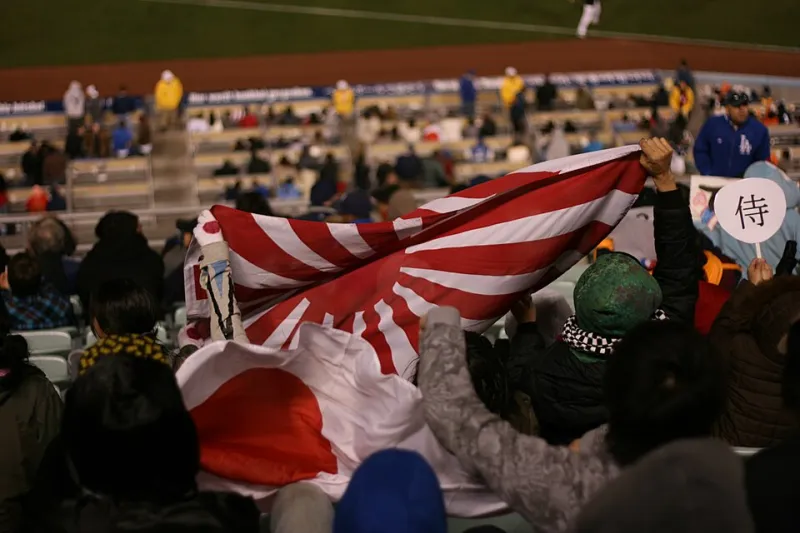
Photo: Colby, CC BY 2.0, via Wikimedia Commons
Picture this: a batter steps into the box, and before the pitcher even comes set, the entire outfield section erupts into a coordinated melody. Trumpets blaring, thousands of voices in unison, a song written specifically for this one player. No, it's not a concert. It's just a regular Tuesday night at a Nippon Professional Baseball game.
If you've only ever experienced American stadium culture — the organ, the wave, the occasional "Let's go [team name]!" — the Japanese approach can feel almost alien. Every single player on every roster has an official cheer song. Not a generic chant with a name swapped in. An actual composed melody with lyrics, often written by the team's official cheerleading brigade, the ōendan.
And now, slowly but surely, MLB teams are starting to pay attention.
The Oendan Effect: Fandom as Performance
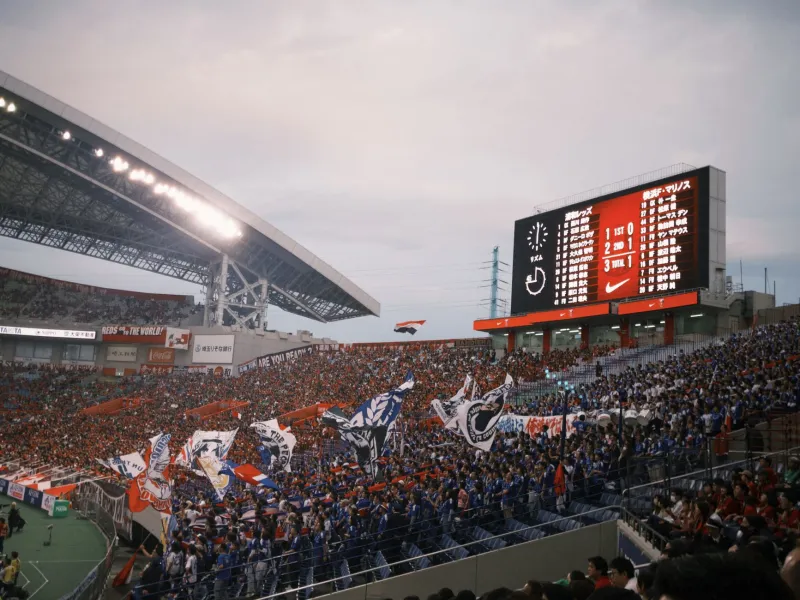
The Japanese cheer culture isn't spontaneous — that's the point. The ōendan tradition traces back to school sports clubs, where student-led cheering sections spent weeks memorizing songs for every teammate. When those fans grow up and buy tickets to pro games, they bring the whole playbook with them.
The result is something closer to a call-and-response orchestra than a crowd. The lead cheerleader stands on a platform or ladder, baton in hand, conducting sections of the stadium like a choir director. Fans don't just watch the game; they perform their support for nine straight innings.
There's a psychological kicker here, too. Sports psychologists have long noted that personalized recognition — hearing your own name, your own song — creates a stronger sense of belonging than generic encouragement. When Hanshin Tigers fans belt out a batter's individual anthem, they're not just making noise. They're telling that player, by name, in melody: we know you, we're with you.
For the player? Hard to stay loose at the plate when 40,000 people are singing your personal theme song. Most Japanese players say it's energizing. Some admit it's terrifying.
MLB Is Borrowing the Playbook (Quietly)
American baseball has flirted with this before. The "walk-up song" is basically the solo, headphones-on version of a cheer anthem — the player picks his own hype track, the crowd listens politely. Japan flips the equation: the fans pick the song, and they sing it for him.
Recently, though, a few MLB organizations have started experimenting. Some clubs have introduced player-specific chants and call-and-response bits, often modeled directly on NPB examples. Marketing departments have openly cited Japanese ballpark culture in fan-experience presentations. The Yokohama-style personalized cheer is no longer a curiosity on American social media — it's a template.
Why now? Because MLB has a demographic problem and Japan might have the answer. Baseball's US audience skews older, and teams are desperate to make the in-stadium experience something a 22-year-old can't replicate on a couch. A cheering section that functions like a live band — participatory, rhythmic, slightly chaotic — is exactly the kind of energy that gets clipped, posted, and shared. Japanese baseball highlight videos routinely pull millions of views from Americans who've never watched a full NPB game.
The content writes itself. A stadium singing a rookie's custom cheer song is a TikTok machine.
What Gets Lost in Translation
Here's the honest wrinkle: you can't just import the ōendan with a memo. The Japanese system works because it's built on years of accumulated ritual. Fans learn the songs as kids. The trumpet sections practice. There's an unspoken etiquette — you cheer loud for your batter, then go silent the instant the pitch is thrown. That discipline is half the magic, and it doesn't come from a stadium giveaway.
American sports culture prizes individual expression over coordination, which cuts both ways. The upside is that US fan sections could evolve the format into something new — blending the personalized anthem idea with hip-hop production, DJ culture, and the rowdiness of soccer supporters' groups. The Seattle and Portland soccer scenes already prove American crowds can sustain 90 minutes of organized singing. Baseball just needs its own version.
The Future Sounds Like a Singing Crowd
The cross-pollination goes both ways, by the way. NPB teams have studied American halftime entertainment, kiss cams, and between-inning gimmicks for decades. This isn't cultural appropriation so much as two fandoms trading notes after a century of parallel evolution.
But if one idea crosses the Pacific and sticks, it should be this one: a fanbase that sings to its players, not just at the opposing team. It turns a roster of strangers into a cast of characters, each with a leitmotif. It gives a season narrative. And honestly? It just sounds incredible on a summer night.
So the next time you're at a ballpark and hear a brass band strike up something that sounds suspiciously like a Hanshin Tigers anthem — don't be surprised. Japan called. It's been holding the playbook for a hundred years, and American baseball is finally ready to read it.