Stanning Across the Pacific: How American Fans Are Rewriting the Rules of Japanese Idol Fandom
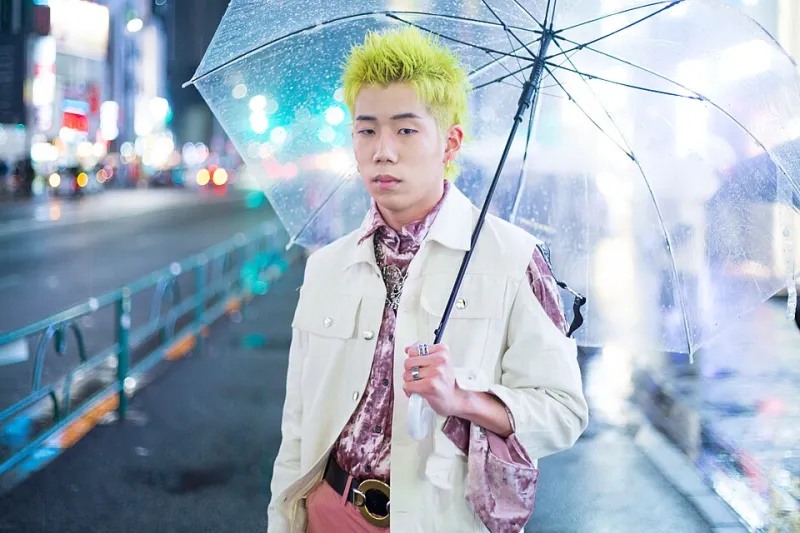
Photo: 引狭キリオ, CC BY-SA 4.0, via Wikimedia Commons
If you've spent any time on stan Twitter or TikTok lately, you've probably noticed something: Japanese idol groups aren't just a niche interest anymore. They're trending. Fan cams of STARTO Entertainment acts rack up millions of views. Hololive VTubers dominate Twitch clip compilations. And somewhere in a suburban American bedroom, a teenager is learning Japanese specifically so they can understand their favorite idol's handwritten fan letter response.
This is the new reality of Japanese entertainment fandom in the US — and it's way more layered than just liking a catchy song.
The Pull of the Parasocial
Let's be real: parasocial relationships aren't new. American audiences have been emotionally invested in celebrities since the days of Frank Sinatra fan clubs. But Japanese idol culture has a way of engineering that connection more deliberately than almost anything in Western entertainment.
The whole idol system — fan handshake events, member graduation ceremonies, tiered membership clubs — is built around the idea of accessible intimacy. Fans aren't just spectators; they're participants. They vote for their favorite members in rankings. They fund crowdfunded albums. They feel, on some genuine level, like their support matters to the artist's success.
For American fans who've grown up watching distant, polished pop stars, that level of perceived closeness hits differently. "It's not just about the music," says one member of a popular Reddit community dedicated to the idol group Nogizaka46. "You watch these girls grow up, deal with setbacks, graduate — it feels real in a way that following, like, a major label American pop star doesn't."
That emotional architecture is doing serious work on Western audiences who may not even fully understand the cultural context they're stepping into.
Social Media Blew the Doors Open
For years, getting into Japanese idol culture from the US required real effort — importing CDs, hunting down fansubs, navigating region-locked content. The internet changed that, but social media accelerated it in ways nobody predicted.
TikTok's algorithm doesn't care where a video was made. A perfectly timed performance clip from a Johnny's (now STARTO) concert can land on a 19-year-old's For You Page in Ohio just as easily as it reaches someone in Tokyo. YouTube's auto-translate feature means lyric videos and vlogs are suddenly accessible. And platforms like Weverse — originally built for K-pop but increasingly used by Japanese acts — give fans direct (or at least direct-feeling) communication channels with artists.
VTubers deserve their own mention here. Hololive's English branch essentially created a bridge between Japanese idol culture and Western gaming and streaming communities. Millions of American viewers now follow virtual idols through a format they already understood — livestreaming — which made the emotional investment feel totally natural. It's parasocial relationship-building with the volume turned all the way up.
The Fan Communities Holding It Down
American idol fan communities have built their own ecosystems, and they're genuinely impressive in their organization and dedication. Subreddits for groups like AKB48, Momoiro Clover Z, and various VTuber agencies have tens of thousands of members who translate content, organize group orders for merchandise, and coordinate watch parties for live events airing at 3 a.m. EST.
Discord servers go even deeper. Some have dedicated channels for learning Japanese, sharing news about upcoming releases, and emotionally processing member graduations — because yes, when a beloved idol "graduates" (leaves the group), it genuinely feels like a loss to fans who've followed their journey for years.
There's also a growing presence of American fans at Japanese concerts and events. Idol agencies have started noticing the foreign faces in the crowd, and some — particularly in the VTuber space — have started actively cultivating English-language content as a result.
When Devotion Gets Complicated
It would be incomplete to talk about this without acknowledging the concerning side of the equation. Parasocial relationships, by definition, are one-sided — and the intensity of idol fandom can sometimes tip into territory that's unhealthy for fans and uncomfortable for artists.
The financial dimension alone raises eyebrows. Some dedicated fans spend thousands of dollars on merchandise, concert tickets, and streaming memberships — money that can create real financial strain. The "oshi economy" (spending money to support your favorite member) is a core part of idol culture in Japan, but it lands differently when it's transplanted to American audiences who may not have the same cultural framing around it.
There's also the question of how artists actually feel about their Western fanbases. Some have spoken warmly about international fans; others have expressed feeling overwhelmed by the intensity of attention that doesn't always respect cultural or personal boundaries. Unsolicited translations of private social media posts, fan fiction that crosses into uncomfortable territory, and the general pressure of being perceived as someone's emotional anchor — these are real issues that the community is still figuring out how to navigate.
How the Industry Is Responding
Japanese entertainment agencies are, slowly, waking up to the fact that they have a significant and passionate Western audience. Some responses have been genuinely great: Hololive's English branch is the most successful example of an agency meeting international fans where they are. Idol groups are increasingly adding English subtitles to official content. Some have begun international tour dates or online-only global events.
Others are more cautious. Traditional idol agencies have historically operated with a very Japan-first mindset, and pivoting to serve global audiences requires rethinking everything from content strategy to merchandise shipping logistics. It's a slow process, but the commercial incentive is clearly there.
What's emerging is a fascinating cultural negotiation — American fans bringing their own expectations and norms to a fandom culture that developed under very different social conditions, and Japanese artists and agencies figuring out how to respond without losing what makes their product unique in the first place.
The Bigger Picture
At its core, the American embrace of Japanese idol culture says something interesting about what people are looking for in entertainment right now. In an era of algorithmic distance and celebrity inaccessibility, the idol model — with its emphasis on growth, community, and emotional connection — offers something that feels genuinely different.
Whether that connection is "real" in any meaningful sense is a philosophical question fans debate endlessly. But the communities, the friendships, the language skills, and the cultural curiosity that fandom sparks? Those are very real indeed.
And honestly, if learning to love a Japanese idol group gets more Americans interested in Japanese culture broadly — the language, the art, the history — that's a pretty remarkable side effect of a fan cam algorithm doing its thing at 2 a.m.