The Japanese Coffee Aesthetic Taking Over American Cafés One Pour-Over at a Time
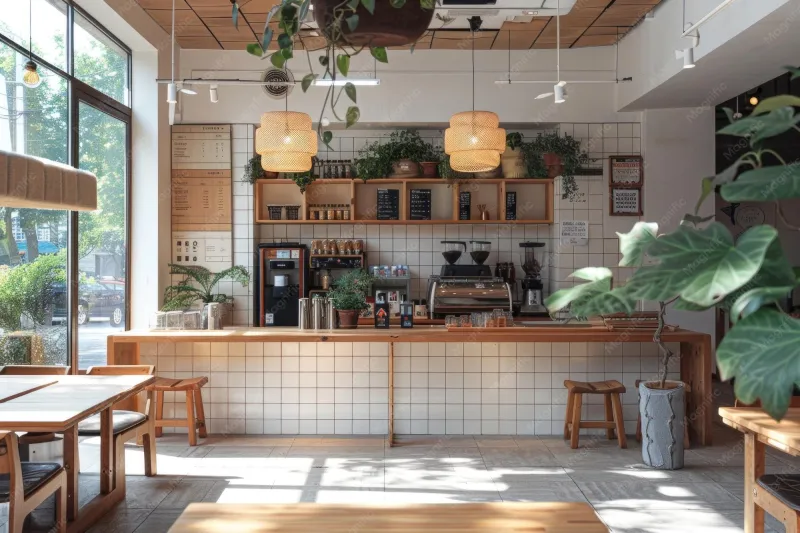
Photo: minimalist Japanese coffee shop pour over brewing aesthetic wooden counter, via img.freepik.com
Walk into the right café in Portland, Brooklyn, or Austin these days and you might feel a subtle shift in atmosphere. The lighting is warm but minimal. The counter is wood and concrete. There's no background noise beyond the sound of water being carefully poured over a small bed of grounds in a slow, deliberate spiral. The barista isn't rushing. Neither, apparently, are you.
What you're experiencing is the American ripple effect of Japanese coffee culture — and it's spreading faster than most people realize.
A Brief History of Japan's Coffee Obsession
Here's something that surprises a lot of people: Japan has one of the most sophisticated coffee cultures in the world, and it's been quietly developing for over a century. The kissaten — Japan's traditional coffee house — dates back to the early 1900s and became a fixture of urban Japanese life through the mid-20th century. These weren't quick-stop espresso bars. They were places you went to sit, think, read, and experience a carefully prepared cup of coffee as something close to a ritual.
Japan also played a major role in the development of specialty coffee techniques that have now gone global. The Hario V60 dripper, the Kalita Wave, cold brew concentrate served over ice in tall glasses — these innovations came out of Japan's relentless pursuit of extraction precision. Japanese coffee culture has long treated brewing as a craft, not a convenience.
That philosophy is now landing in America in a big way.
Minimalism as a Menu Item
One of the most visible ways Japanese coffee culture is influencing American cafés is through design. The maximalist, chalkboard-everything aesthetic that defined the indie café boom of the 2010s is giving way to something quieter. Clean lines. Natural materials. Intentional negative space. Menus with five items instead of fifty.
This isn't just a coincidence — it's a direct aesthetic import. American café owners and designers have been looking to Japanese coffee shops like %Arabica, Fuglen (which originated in Oslo but found iconic status in Tokyo), and Blue Bottle Coffee's Japanese locations for visual inspiration. The goal isn't just to look cool; it's to communicate a specific feeling — that what's happening here is considered, skilled, and worth your full attention.
Blue Bottle Coffee is actually a fascinating case study in this cultural exchange. Founded in Oakland, the brand became arguably more celebrated in Japan than in its home country, with its Tokyo locations becoming destinations in their own right. When Blue Bottle leaned into Japanese minimalism and precision, it came back to the US carrying that influence with it. The brand's American locations today feel distinctly shaped by their time in Japan.
The Pour-Over as Performance Art
Americans have embraced pour-over coffee with genuine enthusiasm, but the Japanese approach to it goes deeper than most American cafés have taken it. In Japan's top specialty coffee shops, a pour-over isn't just a brewing method — it's a demonstration of mastery. Water temperature is controlled to the degree. Pour timing is measured. The barista's movements are practiced and deliberate.
This level of attention is starting to show up in American specialty coffee culture in a real way. Competitions like the World Brewers Cup have seen Japanese competitors consistently dominate, and their techniques have trickled into training programs at American cafés that take their craft seriously. Gear made by Japanese manufacturers — Hario, Timemore, Kinto — now fills the shelves of American coffee equipment retailers.
For American consumers who've spent years grabbing a $7 latte on autopilot, there's something genuinely compelling about a coffee experience that asks you to slow down and pay attention. It's countercultural in the best possible way.
Japanese Brands Making Moves in the US Market
Beyond aesthetic influence, actual Japanese coffee brands are establishing footholds in the American market. %Arabica, the Kyoto-founded specialty chain with its instantly recognizable percentage sign logo, has opened locations in cities like Los Angeles and New York. The brand's combination of minimalist design, high-quality single-origin beans, and almost meditative atmosphere has found an enthusiastic American audience.
Canned coffee — a category Japan has dominated for decades — is also quietly gaining traction. RTD (ready-to-drink) coffee products inspired by Japanese convenience store classics are appearing on American shelves, marketed not just as a caffeine delivery system but as a lifestyle product. The packaging alone tells a story: clean typography, muted color palettes, thoughtful graphic design.
Even major American coffee chains are borrowing cues. Starbucks Japan has long been a laboratory for menu innovation, and drinks that debut there — certain seasonal flavors, specific milk foam techniques — have a habit of eventually making their way back to US menus.
It's About More Than Coffee
Here's the thing: the Japanese coffee trend in America isn't really just about coffee. It's part of a broader cultural moment in which Americans are increasingly drawn to Japanese concepts of craft, intentionality, and mindful consumption.
The same cultural appetite that made Marie Kondo a household name, turned wabi-sabi into an interior design buzzword, and drove mainstream interest in Japanese ceramics and textiles is absolutely fueling the Japanese coffee aesthetic. People aren't just buying a cup — they're buying into a way of relating to everyday objects and rituals.
In a culture that's exhausted by productivity optimization and constant stimulation, the kissaten model — sit down, be still, drink something made with care — has a philosophical appeal that goes way beyond caffeine content. It's a small, accessible entry point into a broader value system that a lot of Americans are actively looking for.
What This Means for Your Local Café
You don't have to fly to Kyoto to experience this shift. Look around at what's happening in your city's independent coffee scene. The bare wood counters, the single-origin pour-overs, the sparse menus, the barista who takes three minutes to make your drink and doesn't apologize for it — that's Japanese coffee culture's fingerprints, whether the café owner knows it or not.
And if your local spot hasn't caught on yet? It's probably only a matter of time. Because once you've experienced the quiet ritual of a properly made Japanese-style pour-over, a rushed drive-through coffee starts to feel like you're missing the whole point.
Some trends are about novelty. This one feels like it's here to stay.