Built to Break You: The Japanese Indie Devs Turning Player Frustration Into Pure Catharsis
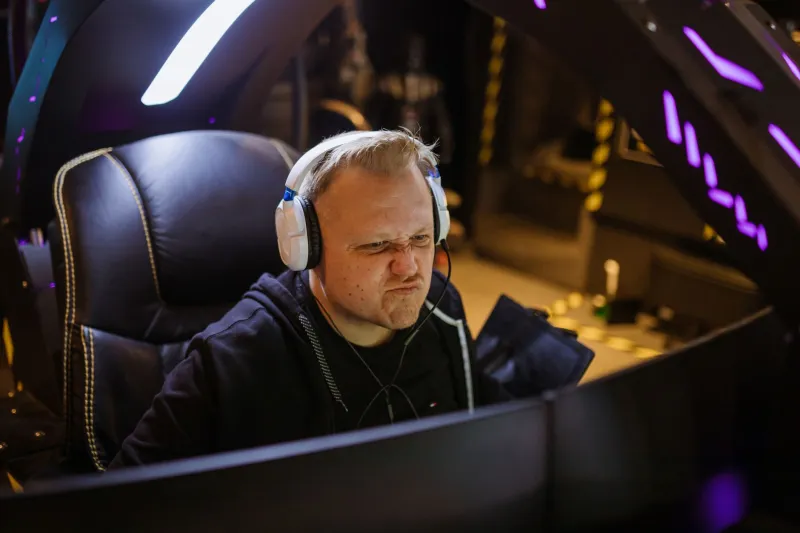
There's a specific kind of scream that lives somewhere between fury and laughter. You know the one. You've just watched your character die for the fourteenth time to the same obstacle, and instead of closing your laptop and walking away forever, you're already clicking the retry button with a grin on your face. If that sounds familiar, congratulations — you've been caught in the very deliberate trap that a growing wave of Japanese indie developers has been engineering for years.
This isn't an accident. It's a design philosophy.
The Rage Is the Point
For a long time, frustrating game design was considered a flaw. Players complained, reviews tanked, patches got pushed. But somewhere in the Japanese indie scene — bubbling up through jam games, itch.io uploads, and cult hits shared across Discord servers — a different idea started gaining traction: what if the frustration was the feature?
Developers like those behind titles such as Getting Over It with Bennett Foddy (a Western adjacent example that clearly influenced the conversation) helped crack open the conversation, but Japanese creators took the concept somewhere more emotionally specific. Games like Jusant and the chaotic precision platformers coming out of small Tokyo and Osaka studios aren't just hard — they're calibrated to hit emotional pressure points in a very particular sequence. First confusion, then anger, then obsession, then the kind of hard-won triumph that genuinely feels like it belongs to you.
One developer, who runs a two-person studio in Osaka and asked to be identified only as Kenji, described it this way: "We think about where the player will want to throw their controller, and then we put the checkpoint just a little bit further than that. The moment after the rage is where the real game begins."
That's not cruelty. That's craft.
Why Americans Can't Stop Coming Back
Here in the US, the appetite for this kind of designed suffering has exploded — and it tracks with something deeper going on culturally. Gen Z and younger millennials are increasingly drawn to experiences that feel earned. In a content landscape where everything is optimized for frictionless consumption, a game that genuinely makes you work — and occasionally makes you want to put your fist through a wall — stands out.
Streamers have amplified this effect massively. Watch any popular gaming stream on Twitch or YouTube and you'll notice that the most-clipped moments aren't the victories. They're the reactions. The disbelief. The slow-building frustration that finally erupts into a full-on meltdown before, inevitably, the player pulls it together and clears the stage. American audiences are hooked on that arc. It's practically its own genre of entertainment now.
And Japanese developers, whether consciously or not, have become the masters of scripting that arc through game design itself.
The Psychology of Productive Suffering
Sports psychologists and game researchers have a term for what happens when challenge and reward are perfectly calibrated: flow state. But what these Japanese indie titles are doing is something adjacent and arguably more interesting — they're engineering what some researchers call "productive frustration," a mental state where the obstacle feels unfair enough to provoke emotion but fair enough to keep you convinced you can beat it.
The key ingredient is consistency. In the best of these games, the rules never change. The physics don't lie. The hitboxes aren't secretly broken. The game is hard because it demands precision, not because it's cheating. Players internalize this, even when they're screaming at the screen, and that internalization is what keeps them in the loop.
Players in various online communities describe the experience in almost therapeutic terms. "It's like the game holds a mirror up to your own impatience," one American player wrote in a Reddit thread dedicated to a notoriously brutal Japanese platformer. "Once I stopped getting mad at the game and started getting mad at myself, I actually got better. And then I wasn't mad at all."
That's a kind of emotional processing that most entertainment mediums can't touch.
Cute Characters, Maximum Pain
One of the more fascinating wrinkles in this design trend is the aesthetic contrast. Many of these Japanese indie titles wrap their punishing mechanics in some of the softest, most charming visual design you'll ever see. Pastel colors. Round-edged characters with big eyes. Cheerful chiptune soundtracks. The visual language says "cozy afternoon," and then the gameplay says "prepare to suffer."
This isn't accidental either. The contrast heightens the emotional experience. When something adorable and non-threatening is the thing destroying you over and over, the frustration hits differently — there's almost a comedic layer to it that prevents the experience from tipping into genuine misery. You can't stay fully angry at something that looks like a marshmallow. So the rage cycles faster, burns cleaner, and leaves more room for the cathartic payoff.
Kenji's studio leans into this aesthetic deliberately. "If the game looked scary and hard, players would expect to struggle," he explained. "But if it looks soft and easy, and then it isn't — that surprise becomes part of the memory. Players remember how the game made them feel. We want them to feel a lot."
The Community That Grows Around the Pain
One underrated side effect of this design philosophy is what it does to player communities. Shared suffering is a powerful social glue. When a game is universally brutal in a specific, describable way, players bond over the exact same moments of failure. Inside jokes form. Strategy threads pop up. Clip compilations go viral. The game becomes a shared language.
American gaming communities have latched onto this dynamic hard. Some of the tightest Discord servers and most active subreddits right now are built around notoriously difficult Japanese indie titles. People who've never met are trading tips, roasting each other's failure clips, and celebrating each other's wins with genuine enthusiasm. The game creates the community, and the community makes the game worth playing even longer.
What's Next for Designed Frustration
As Japanese indie developers gain more visibility in the US market — through platforms like Steam, through streaming exposure, through word of mouth in tight gaming communities — this design philosophy is only going to spread. Some larger studios are already taking notes, experimenting with controlled frustration loops in ways that feel inspired by what the indie scene pioneered.
But the soul of it will probably stay in the indie space, where a two-person team in Osaka can spend months perfecting the exact moment a player will want to quit — and then engineering the precise reason they won't.
If you haven't yet experienced the very specific joy of screaming at a Japanese indie game, throwing your hands up, and then immediately picking the controller back up — you're missing out on one of the most genuinely human experiences gaming has to offer right now.
The rage, it turns out, was always the beginning.