Losing Has Never Looked This Good: Why Japanese Streamers Are Making Failure the Main Event
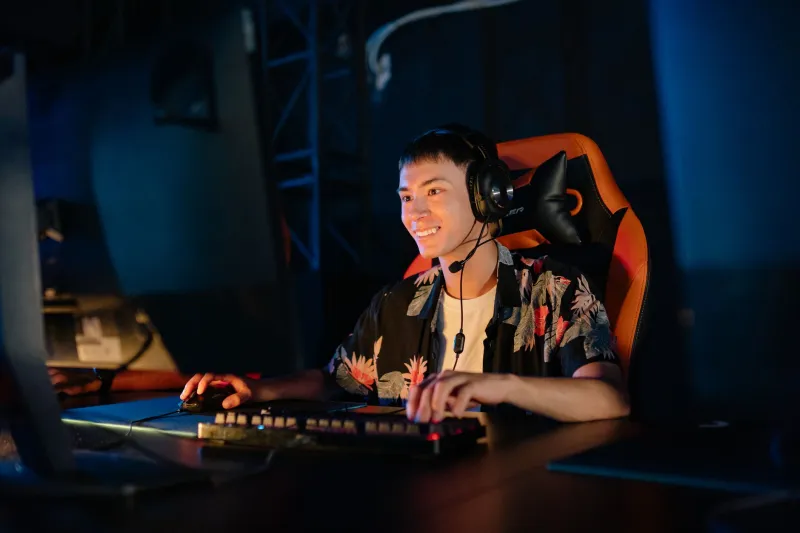
Somewhere between a perfectly timed death screen and a streamer's full five-second silence before absolute chaos erupts, American viewers found their new favorite content. It's not a clutch play. It's not a world record. It's a Japanese streamer falling apart in the most spectacular, relatable, and oddly comforting way possible — and somehow making it look like an art form.
This isn't a niche corner of the internet anymore. Clips of Japanese streamers losing their minds over brutal game moments are racking up millions of views on TikTok and YouTube, and the audiences aren't just laughing at the reactions. They're connecting with them.
The Polished Content Problem
American streaming culture has spent years perfecting the highlight. Twitch and YouTube Gaming are flooded with streamers who clip their best moments, hide their worst, and package themselves as aspirational figures. Win streaks, godlike aim, flawless builds — the message, even when unspoken, is pretty clear: if you're struggling, keep it off camera.
Gen Z, a generation that grew up watching influencer perfection slowly curdle into something exhausting, is increasingly tuning that out. They've seen enough curated feeds and cinematic montages. What they actually want is something that feels real — messy, unscripted, and human.
Japanese streaming culture, at least a significant and growing chunk of it, offers exactly that.
Reaction as Performance
What makes Japanese streamer meltdowns different from your average rage-quit clip isn't just the intensity — it's the craft. There's a theatrical quality to the way many Japanese streamers respond to failure that feels almost rehearsed, even when it clearly isn't.
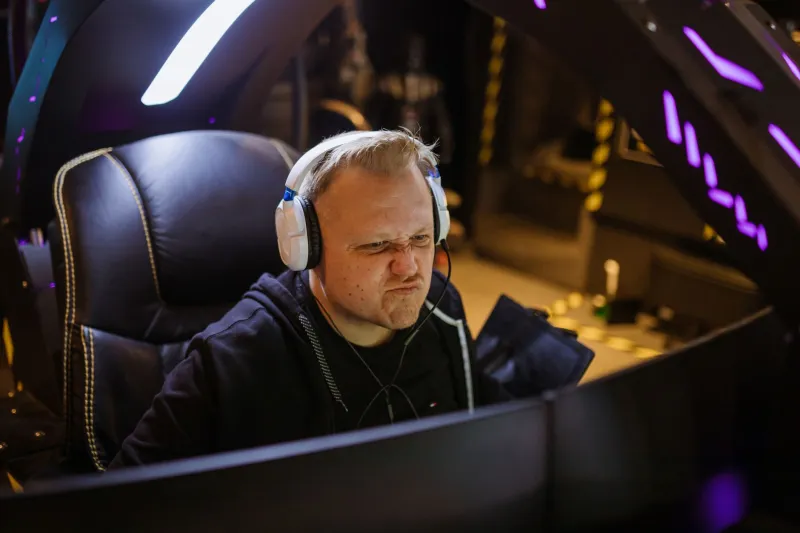
A streamer might spend thirty seconds staring in complete silence at a death screen, then deliver a single deadpan line that destroys their entire chat. Another might spiral into an elaborate, increasingly unhinged monologue about the unfairness of a boss fight that's genuinely funnier than most scripted comedy. The reactions are big, but they're also timed. There's an instinct for comedic rhythm that makes even the most chaotic moments feel satisfying to watch.
Part of this comes from Japan's deep tradition of tsukkomi and boke comedy — the straight man and the fool dynamic that's baked into Japanese entertainment going back decades. Even streamers who've never studied comedy seem to carry that sensibility naturally. The game becomes the straight man. The streamer becomes the fool. And the audience gets to watch the whole beautiful disaster unfold in real time.
Losing With Philosophy
Beyond the comedy, there's something else happening in Japanese streaming culture that's harder to pin down but just as compelling: a kind of philosophical acceptance of defeat that American content rarely models.
Where a lot of Western streamers respond to losing with visible frustration, blame-shifting, or cutting the stream entirely, many Japanese streamers do something different. They sit with the loss. They analyze it out loud. They make peace with it, sometimes sarcastically, sometimes genuinely, but almost always in a way that keeps the audience engaged rather than uncomfortable.
There's a word that floats around in discussions of Japanese gaming culture — shoganai — which loosely translates to "it can't be helped." It's not giving up exactly. It's more like an acknowledgment that some things are outside your control, and the right move is to accept that and keep going. You can feel that energy in the way certain streamers respond to a cheap death or an impossible RNG moment. They're not pretending it doesn't sting. They're just not letting it own them.
For American viewers burned out on the pressure to always be winning, always be optimizing, always be on — watching someone absorb a brutal loss with grace and humor hits differently.
The Clip-to-Community Pipeline
A lot of American fans are discovering these streamers the same way they discover most things: through a fifteen-second clip that stops their scroll cold. Maybe it's a streamer getting one-shot by a final boss they'd been grinding for two hours. Maybe it's someone reading a game-over message in the most defeated voice imaginable. Whatever the entry point, the clip leads to the channel, and the channel leads to a rabbit hole.
What keeps people there isn't just the funny moments — it's the streamer's whole relationship with the games they play. Japanese streamers often have an enthusiasm for the experience of gaming, including the frustrating parts, that feels genuinely infectious. They're not just trying to beat the game. They're living inside it, reacting to it, letting it surprise them. That kind of engagement is magnetic, even across a language barrier.
And yes, the language barrier is real, but it's becoming less of a wall than you might expect. English subtitles, clipping communities, and fan translation accounts have made a surprising amount of Japanese streaming content accessible to American audiences. The emotional language of a good reaction, it turns out, needs very little translation.
Why This Hits Different for Gen Z
There's a broader cultural conversation happening here that goes beyond gaming. Gen Z has been pretty vocal about the toll that perfection culture takes — the anxiety of performing competence constantly, the shame of being seen struggling, the exhaustion of presenting a version of yourself that never fails.
Watching a Japanese streamer absolutely lose it over a difficult game and then laugh about it five seconds later isn't just entertaining. For a lot of viewers, it's actually a little bit healing. It normalizes the mess. It says, out loud and in front of thousands of people, that failing spectacularly is not only okay — it's worth showing.
That's a message American streaming culture doesn't always send, and it's clearly landing with an audience that's been hungry for it.
The Takeaway
Japanese streamers aren't just going viral because their reactions are funny, though they absolutely are. They're resonating because they've built an entire relationship with failure that feels honest, entertaining, and weirdly wise. Losing isn't something to cut from the VOD. It's the content.
In a media landscape that's still pretty obsessed with winners, that's a genuinely radical move. And if the view counts are anything to go by, Gen Z is ready to watch every single game-over screen in glorious, chaotic detail.