Beyond the Screen: How American Anime Fans Are Building Real-Life Communities Rooted in Japanese Culture
Photo: Marie-Sophie Mejan, CC BY 4.0, via Wikimedia Commons
There's a particular kind of loneliness that comes with being deeply into Japanese pop culture in America. You've got your Discord servers, your Reddit threads, your Twitter mutuals who share every new manga drop with you at 2 a.m. You're never technically alone. But somewhere between the reaction memes and the tier list debates, something still feels... missing.
A growing number of US fans are starting to name that feeling — and more importantly, they're doing something about it.
The Limits of the Online Fandom Experience
For the better part of two decades, online spaces have been the default home for American anime and manga fans. And honestly? They did a lot of good. Forums and Discord servers gave isolated fans in small towns a place to belong, a vocabulary to share, and a community that understood why crying over a fictional volleyball team was completely valid.
But there's a ceiling to what a screen can offer. Parasocial relationships — whether with anime characters, VTubers, or even beloved content creators — can feel intensely real, but they don't fill the same space as a person sitting across from you, laughing about the same thing at the same time.
Researchers and therapists have been sounding the alarm on loneliness among Gen Z for a while now, and the data backs it up: despite being the most digitally connected generation in history, young Americans consistently report feeling more isolated than their predecessors. The irony isn't lost on anyone.
Enter the Japanese Cultural Club Scene
What's happening in cities like Los Angeles, New York, Chicago, and Seattle feels like a direct response to that disconnect. Grassroots Japanese cultural clubs — not the dusty kind you might remember from high school anime club — are popping up everywhere, and they're pulling in fans who are hungry for something more tactile.
Think weekend language exchange meetups at local Japanese restaurants. Think ikebana (flower arranging) workshops that double as casual hangouts. Think tea ceremony events hosted in rented studio spaces, where the vibe is equal parts educational and genuinely chill. These aren't corporate-sponsored cultural tourism events. They're fan-organized, often free or low-cost, and built specifically around the idea that Japanese culture is a shared interest worth exploring together — in person.
In LA's Little Tokyo neighborhood, a handful of these groups have become fixtures of the local social calendar. One organizer, who runs a monthly Japanese language exchange that regularly pulls 40 to 60 attendees, described the turnout as "way beyond what I expected." She started it because she was tired of practicing Japanese alone with an app. Now it's a full community, with regulars who've become actual friends.
New York's scene is similarly buzzing. Pop-up events blending anime screenings with Japanese craft workshops have found a dedicated following in Brooklyn and Queens, drawing in fans who might have previously only interacted with each other through hashtags.
Why Japanese Culture Specifically?
It's worth asking why Japanese culture, in particular, is serving as the connective tissue for so many of these real-world communities. Part of the answer is obvious — anime and manga have an enormous, passionate US fanbase that's only grown in recent years. But there's something more specific happening here.
Japanese culture carries a reputation, both real and romanticized, for emphasizing ritual, mindfulness, and the beauty of shared experience. The concept of ma — that meaningful pause, the space between things — resonates with a generation that's overstimulated and craving slowness. Tea ceremonies aren't just aesthetically appealing; they're structured, intentional, and built around the act of being present with other people. That's a pretty radical proposition in 2025.
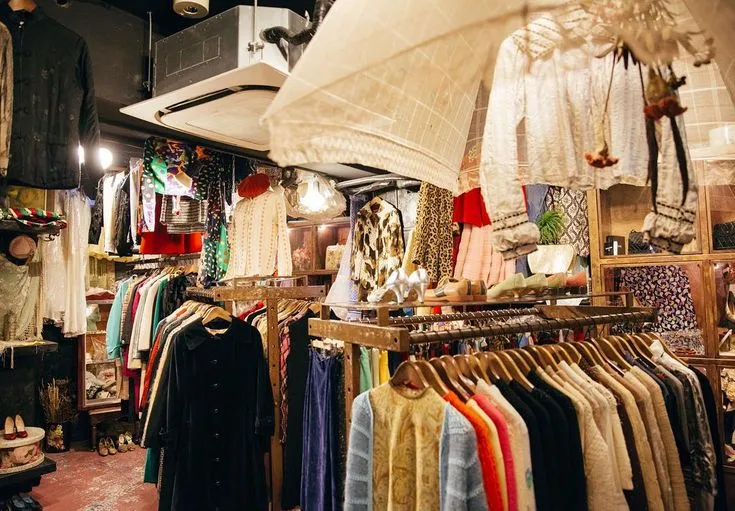
There's also a fashion and lifestyle dimension to this. The same Gen Z audience that's been drawn to Japanese street style, thrifted vintage pieces from Tokyo, and the quiet luxury of wabi-sabi aesthetics is now looking to embody those influences beyond their wardrobe. Joining a Japanese cultural club isn't just a hobby — for a lot of fans, it's an extension of an identity they've been cultivating online for years, finally given a physical form.
Does It Actually Work?
Here's the honest question: do these spaces actually deliver on the promise of real connection, or are they just a more elaborate version of the same parasocial trap?
The answer, based on what fans are reporting, seems to be genuinely encouraging — with some caveats.
For people who show up consistently, the relationships tend to deepen in ways that online interactions rarely do. Shared physical experiences — fumbling through a tea ceremony together, laughing about a mispronounced Japanese phrase, bonding over a bowl of ramen after a meetup — create memories and inside jokes that are hard to manufacture digitally. There's friction, and friction, it turns out, is part of what makes connection feel real.
The caveats are real too, though. Not every meetup group survives beyond its initial enthusiasm. Organizers burn out. Venues change. The casual fan who shows up once and never returns is a universal experience across every type of community. And for fans in smaller cities or rural areas, the in-person option still isn't accessible — which means the online community remains essential, not obsolete.
The goal, most organizers seem to agree, isn't to replace digital fandom. It's to add a layer to it. To give the online connections somewhere to land.
What This Means for Japanese Culture in the US
Zoom out a little, and what's happening here is actually pretty significant. Japanese cultural spaces in America have historically existed in a few specific forms: Japantowns in major cities, academic programs, formal cultural organizations. What's emerging now is something different — fan-led, Gen Z-driven, aesthetically informed by pop culture, and explicitly designed around belonging.
That's a new kind of cultural ambassador, and it's one that Japan's own cultural export machinery probably didn't plan for. The pipeline from Naruto to actual calligraphy workshops is not a straight line, but here we are.
For American fans, the takeaway is pretty simple: the community you've been looking for might already be meeting in a studio two neighborhoods over. The Discord server isn't going anywhere, but it might be time to also show up in person — matcha in hand, pronunciation slightly off, and genuinely ready to connect.
Some things, it turns out, don't translate through a screen. And that's kind of the whole point.