Secondhand and Proud: How Tokyo's Thrift Culture Became Gen Z America's Favorite Fashion Rebellion
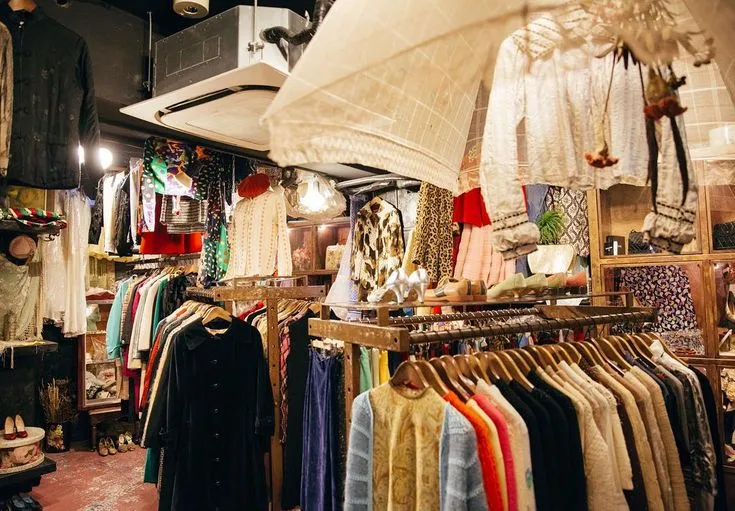
Photo: Tokyo Shimokitazawa vintage thrift shop clothing racks secondhand fashion, via i.pinimg.com
There's a particular kind of satisfaction that comes from pulling a perfectly worn denim jacket off a rack and knowing it has a story. For a growing wave of American Gen Z shoppers, that feeling has a very specific zip code — and it's somewhere in Tokyo.
Japanese thrifting culture has quietly become one of the most influential forces in the way young Americans think about getting dressed. It's not just about saving money or hunting for vintage finds, either. It's a whole philosophy — one that's landing differently in a generation already exhausted by the churn of disposable fashion.
The Shimokitazawa Effect
If Harajuku is Tokyo's maximalist runway, Shimokitazawa is its cooler, more thoughtful older sibling. The neighborhood is a maze of narrow streets and low-slung storefronts packed with curated secondhand pieces — everything from 1980s Levi's to barely-worn Japanese designer labels. American travelers who've stumbled through it tend to come back changed.
"I went to Tokyo for two weeks and spent half my budget in Shimokitazawa," says Maya, 23, a fashion student from Portland. "But it wasn't impulse buying. Every single piece I picked up felt intentional. The shop owners actually know their inventory. They'll tell you the era of a garment, how to care for it. It made me realize I'd never really thought about my clothes before."
That intentionality is baked into Japanese thrift culture at a structural level. Shops like Chicago Antique and Flamingo in Shimokitazawa don't just pile merchandise on tables — they organize, restore, and present secondhand items with a level of care that American Goodwill locations rarely match. The experience feels closer to boutique shopping than bargain hunting.
Mercari and the Digital Thrift Revolution
You don't have to book a flight to Tokyo to tap into this mindset, though. Mercari — Japan's dominant peer-to-peer resale platform — launched its US version in 2014, and it's been slowly building a cult following among Gen Z shoppers who appreciate how the platform mirrors Japanese resale etiquette.
On Japanese Mercari, sellers typically photograph items meticulously, list every flaw with almost apologetic transparency, and package purchases with a level of care that feels almost ceremonial. That culture has partially carried over to American users who've been exposed to it, setting a new bar for what resale can look and feel like.
"I started using Mercari Japan through a proxy service to find Japanese streetwear brands I couldn't get here," explains Jordan, 21, from Chicago. "The way sellers present their items — it's like they're handing something precious off to you. It completely changed how I sell my own stuff now. I started treating my secondhand items like they matter."
Japanese Minimalism Meets Anti-Haul Energy
There's a philosophical undercurrent running through all of this, and it's one that Gen Z has been increasingly receptive to. Japanese concepts like mono no aware — a bittersweet appreciation for impermanence — and the well-documented influence of Marie Kondo-style minimalism have primed American audiences to think differently about objects and ownership.
Where fast fashion culture treats clothing as essentially disposable, Japanese thrift culture treats it as something worth preserving. A garment that's been well-loved doesn't lose value — in many Japanese vintage circles, it gains it. That inversion is deeply appealing to a generation that grew up watching influencer haul videos and quietly wondering why none of it felt satisfying.
The anti-haul movement — where creators make content about not buying things — has found a natural ally in Japanese thrift philosophy. Instead of accumulating, the focus shifts to selecting carefully, wearing repeatedly, and passing items on thoughtfully when the time comes.
"Fast fashion always made me feel kind of gross, but I didn't have a framework for doing things differently," says Priya, 22, a content creator from Austin who documents her secondhand finds on TikTok. "Learning about how Japanese people approach vintage — the research, the care, the appreciation for craftsmanship — gave me that framework. Now my 'shopping' is more like... curation."
The Craft Behind the Find
Part of what makes Japanese thrifting culture so compelling to outsiders is the sheer depth of knowledge that serious practitioners bring to it. Japanese vintage collectors are often experts in specific eras of American workwear, denim manufacturing, or military surplus — sometimes knowing more about mid-century Levi's construction than most Americans do.
This expertise has looped back to influence American thrift culture in interesting ways. YouTube channels and TikTok accounts dedicated to Japanese-style vintage authentication and garment research have found huge audiences among young American shoppers who want to engage with secondhand fashion on a deeper level.
The result is a kind of thrift literacy that simply didn't exist in the same way five years ago — one where knowing the difference between a selvedge and non-selvedge denim hem is genuinely exciting rather than obscure.
Slow Fashion Isn't a Trend — It's a Correction
What's happening here is bigger than aesthetics or platform trends. It's a generational course correction. American Gen Z has inherited a fashion industry built on volume and velocity, and many of them are actively opting out — not with grand manifestos, but with small, deliberate choices about where their money goes and what they choose to wear.
Japanese thrift culture offers something that fast fashion never could: a sense of connection. To the garment, to the person who wore it before, to the craft that went into making it. In a shopping landscape that's been relentlessly optimized for convenience and speed, that connection feels almost radical.
Maya, back from her Tokyo trip and now running a small secondhand pop-up in Portland, puts it simply: "I'm not trying to save the planet one vintage jacket at a time. I just want to wear things that feel real. Japanese thrift culture taught me what that actually looks like."
The rebellion, as it turns out, is pretty quiet. But it's also pretty unstoppable.