Dub vs. Sub Is Over — Japanese Voice Acting Won, and American Anime Fans Are Here for It
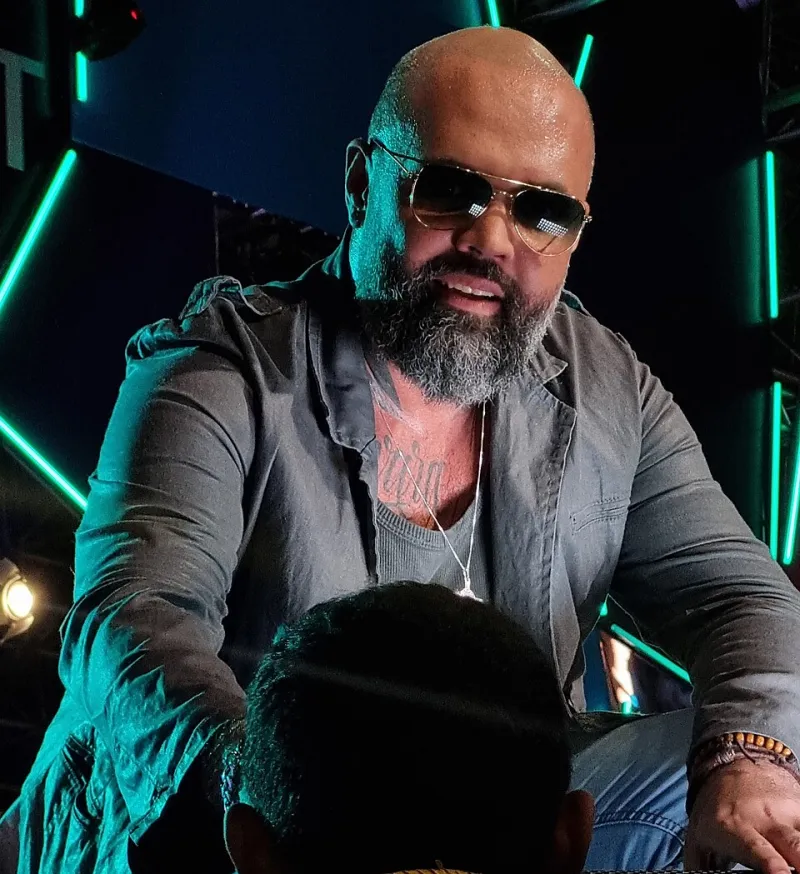
Photo: Macacaosapao, CC0, via Wikimedia Commons
Ask any American anime fan who's been around long enough, and they'll tell you the dub-versus-sub debate used to be a full-contact sport. Forum wars. Comment section bloodbaths. Friendships tested. It was, for a long time, one of fandom's most reliably heated arguments.
Something has changed, though. The debate hasn't disappeared — it's evolved. And the direction it's evolved in says a lot about how American audiences have grown alongside the medium they love.
The Seiyuu Phenomenon
In Japan, voice acting — seiyuu work — is treated as a serious performance art with its own star system, dedicated fan followings, and industry awards. Names like Hiroshi Kamiya, Miyuki Sawashiro, and Aoi Yuuki carry the same weight in Japanese pop culture that A-list actors carry in Hollywood. Their fans don't just follow their anime roles — they follow their live events, radio shows, music releases, and social media with the same intensity American fans reserve for musicians or movie stars.
That celebrity culture has been steadily bleeding into the American anime community, and the results are fascinating. Fans who might never have considered engaging with Japanese-language media are now actively seeking out performances by specific seiyuu, cross-referencing roles, and developing genuine appreciation for the technical range these performers bring to their work.
"I got into Hiroshi Kamiya through Levi in Attack on Titan," says Derek, 24, from Atlanta. "Then I went back and found him in Natsume's Book of Friends, in Monogatari, in Durarara. The range is just — there's no comparison. I can't hear anyone else in those roles now."
What Makes Japanese Voice Acting Different
It's worth actually unpacking why Japanese voice performances resonate so deeply, because it's not just familiarity or fan loyalty at work. There are genuine craft differences that discerning viewers pick up on — even without understanding the language.
Japanese animation is typically produced with the voice performances recorded before the animation is finalized, meaning animators actually sync the visuals to the audio rather than the other way around. This gives seiyuu significantly more creative freedom — they're not constrained by matching pre-existing mouth movements. The emotional authenticity in the performance can drive the scene rather than being retrofitted into it.
English dubbing, by contrast, traditionally works the opposite way. Actors are handed finished animation and asked to match their dialogue to mouth flaps — a technically demanding process that can sometimes iron out the spontaneous emotional peaks that make the original performances so striking.
"The lip-flap constraint in dubbing is real, and it affects everything," explains a production coordinator at a mid-sized US anime distributor (who asked not to be named). "You might have a line that needs to be eight syllables to match the animation, but the most emotionally accurate translation is four syllables. Something always gets sacrificed."
Streaming Has Changed the Calculus
The rise of simulcast streaming has fundamentally disrupted the old dubbing pipeline — and in doing so, it's accidentally done a lot to boost appreciation for Japanese original audio.
For most of anime's Western history, fans waited months or years for dubbed versions of shows. Subtitled versions came first, which meant that by the time a dub arrived, a vocal portion of the fanbase had already formed deep attachments to the Japanese cast. The dub was playing catch-up emotionally, not just technically.
Crunchyroll, Netflix, and other platforms have leaned into this dynamic in different ways. Crunchyroll built its reputation almost entirely on subtitled simulcasts, cultivating an audience that defaults to Japanese audio. Netflix has invested heavily in dubbing but still prominently features Japanese tracks, and its anime originals — Cyberpunk: Edgerunners, Beastars, Devilman Crybaby — have generated enormous conversation around their Japanese casts specifically.
The numbers back this up. While streaming platforms don't typically release per-language viewership data, fan polls and community surveys consistently show that a significant portion of American anime audiences under 30 default to subtitled viewing — not because they're purists, but because that's simply how they were introduced to the medium.
The Standouts Who Changed the Conversation
Certain performances have functioned almost as gateway drugs to Japanese voice acting appreciation in the American market. Yuki Kaji's portrayal of Eren Yeager in Attack on Titan — particularly in the show's final arc — generated mainstream discussion about voice performance in ways that hadn't happened before. Nana Mizuki's work across decades of iconic roles has earned her something approaching legend status among fans who track the craft. And Takahiro Sakurai's ability to shift between gentle, comedic, and deeply menacing characters within the same franchise has made him a frequent topic in American anime discourse.
More recently, Rie Takahashi's performance as Myne/Motosu Urano in Ascendance of a Bookworm and Saori Hayami's layered work in Oshi no Ko have introduced newer fans to the idea that voice acting can carry as much emotional complexity as any live-action performance.
"I showed my roommate — who had never watched anime — the scene in Oshi no Ko where Ai performs for the first time," says Keisha, 26, from Seattle. "She doesn't speak Japanese. She cried anyway. That's the performance. That's Takahiro Sakurai's composition and Hayami's delivery. No subtitle required."
Where Does Dubbing Go From Here?
None of this means English dubbing is going away — or that it should. Accessibility matters, and for audiences who genuinely can't or don't want to read subtitles while watching, high-quality dubs are essential. The best English dub casts — the Funimation veterans, the newer Studiopolis rosters — bring real craft to their work, and dismissing them entirely would be its own kind of snobbery.
But the conversation has matured past the old binary. American fans increasingly hold both things in their heads at once: appreciation for what skilled dubbing achieves, and a genuine, informed love for what the original Japanese performances deliver. That's not a debate anymore. That's just taste.
The seiyuu aren't a secret weapon or a niche obsession. They're a core part of why anime has become one of the most-consumed entertainment formats on the planet. American fans have figured that out — and they're not going back to arguing about it.